Solution
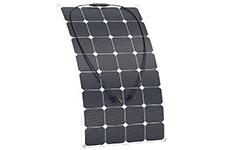
Flexible Solar Panel
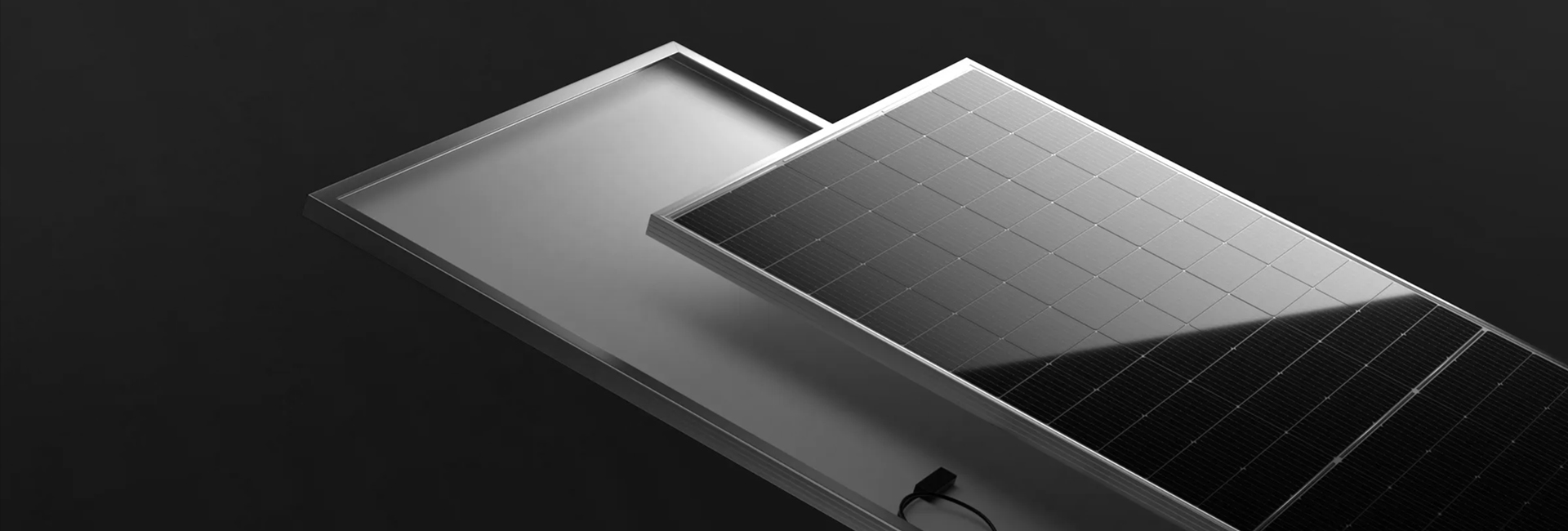
A: Yes, there are bypass diodes in the junction box.
A: Yes, but you need check that the voltage of the portable power station is within range first. No need to connect the controller.
A: The flexible solar panel has an IP67 rating which means it can withstand water, dust, and other elements.
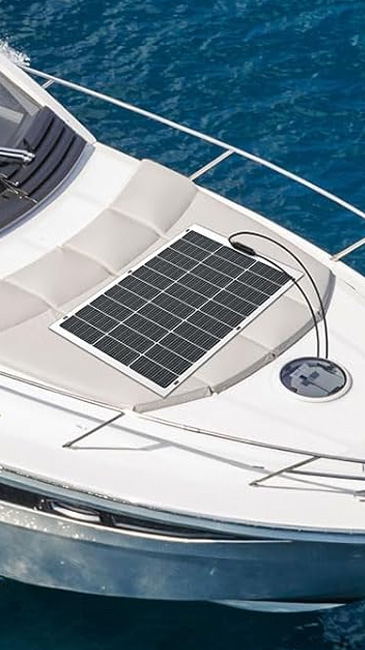
A: The plastic back sheet can be curved to a maximum 30 degree arc and mounted on RV, boat, cabin, tent, car, trucks, trailers flat surface or any other curved surface.
A: Modules must be mounted using seal with sealant adhesive on the backside of the panel, grommets are only to be used for non-mobile applications.
A: Rated power is the optimal test result under ideal conditions. The values in sunlight will be slightly less than 100w because the output power is affected by many factors, such as temperature/sunlight intensity/panel angle with sunlight. There are also efficiency losses in charging mobile power stations. To get power as higher as possible, please use it under stronger sunlight / adjust the panel's right angle to the sun / avoid shadow.
A: No, the portable power station generally has a built-in MPPT function, so there is no need to connect the controller early in the charging process.
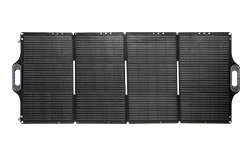
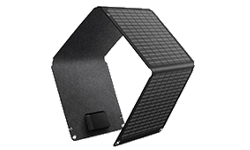
A: The surface of the solar panel is waterproof while the junction port is not waterproof. Please do NOT immerse the folding panel solar in the water!
It's NOT recommended to use portable solar panels in rainy and humid environments, because only under sufficient sunlight can the solar panel's supply power to your devices quickly.
A: Yes, this panel allows expansion by connecting multiple panels in parallel or in series for faster charging. We suggest using the same solar panels for expansion.
A: When you are not using it, we recommend to store panels somewhere indoor with dry conditions, but be aware of heavy items. Use a soft cloth to remove the visible dirt, then use a damp cloth to wipe off dusts to keep the conversion efficiency optimum!
A: No, this portable solar charger can't store the electricity, you need to connect your device to the solar panel in enough sunlight outdoors.
A: Yes, but our solar phone charger doesn't include the lightning cable for iPhone or iPad.
A: This portable solar charger comes with an auto-restart function. If clouds blocking the sun, it will restart to charge your electronic quickly when there are enough sunlight.
A: Rated output power refers to the power of the solar panel which is not equal to the actual output power of the USB port, because there will be some loss In the process of conversion in order to maintain the voltage stability.
A: Yes, we can produce the panel voltage and size according to your requirements.
A: Yes, we can provide samples. Please contact us and let us know your requirements.
A: Depending on the materials you choose and the usage environment, the warranty period is 1-3 years.